What is the goal of surgery?
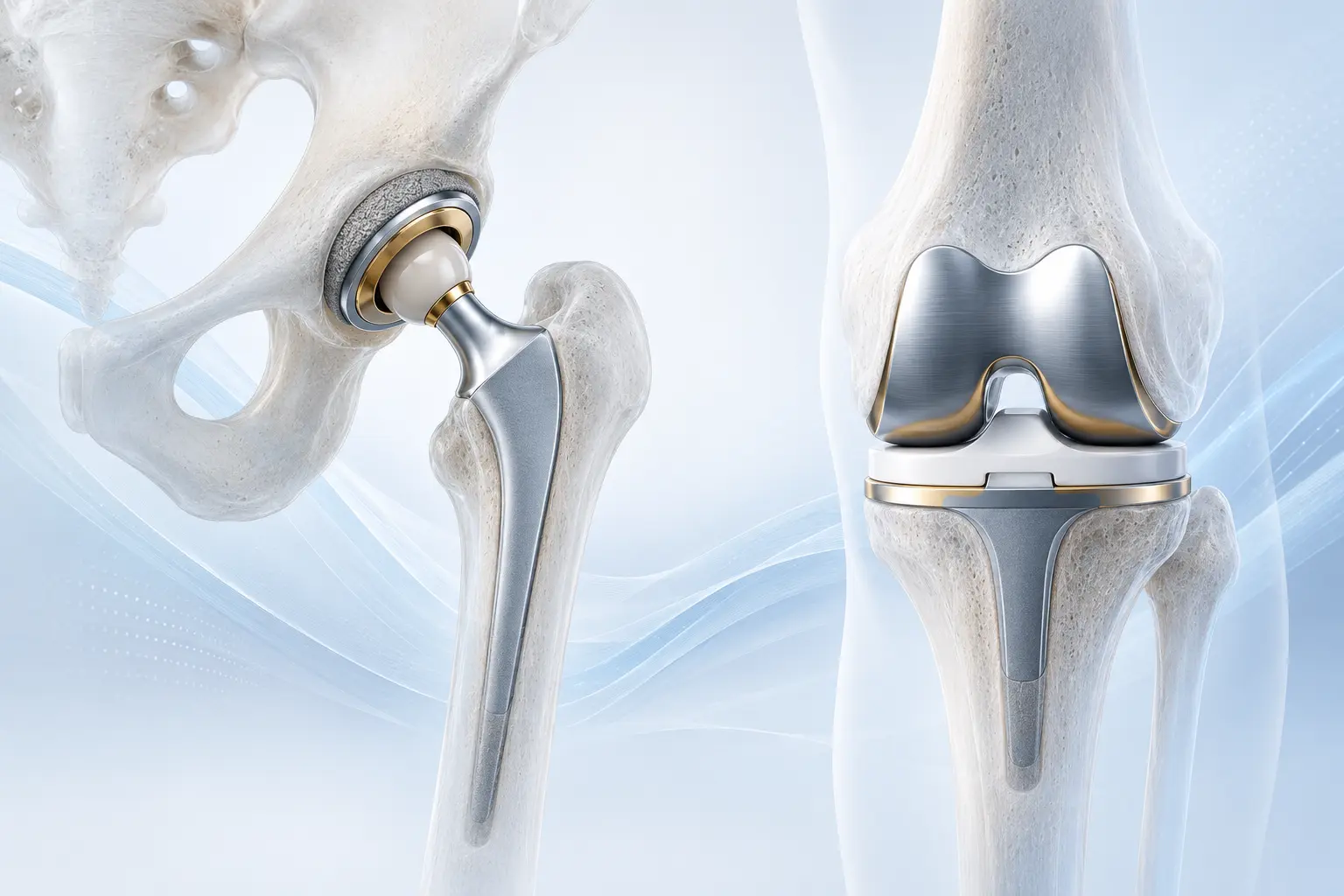
During joint replacement, damaged cartilage and bone surfaces are removed and replaced with artificial components. The aim is to reduce pain, improve movement and help patients return to everyday activities such as walking, climbing stairs, rising from a chair and sleeping without significant pain.
Advanced osteoarthritis is the most common reason for surgery. Joint replacement may also be considered for inflammatory arthritis, osteonecrosis of the femoral head, major deformity, fracture or post-traumatic joint damage.
What signs suggest it is time to seek advice?
An orthopedic assessment is recommended when pain limits walking or normal activity, occurs at rest or at night, or is accompanied by marked stiffness, swelling or deformity. Increasing reliance on a cane or walker, or gradually giving up valued activities because of the joint, are also important signs.
An X-ray showing severe degeneration supports the diagnosis, but it is not enough on its own. Some people have advanced changes on imaging yet function reasonably well, while others are considerably limited. The decision therefore follows a discussion, physical examination and appropriate imaging.
What is usually tried before surgery?
In early or moderate disease, symptoms may improve with adapted activity, physiotherapy and muscle strengthening, weight reduction when relevant, pain medication or anti-inflammatory treatment when medically appropriate, walking aids and selected injections. The goal is not simply to postpone surgery, but to preserve movement, strength and quality of life.
Joint replacement may be considered when these measures no longer provide meaningful relief and pain or disability increasingly affects quality of life. There is no need to wait until walking becomes impossible, but there is also no reason to rush when symptoms remain well controlled.
How is the decision made?
The decision is shared by the patient and surgeon. It takes into account the patient’s goals, general health, individual risks and expectations for recovery. Age alone does not determine suitability; pain and disability, bone and muscle condition, medical history and the ability to participate in rehabilitation are more important.
Realistic expectations matter. Most patients experience substantial pain relief and better function, but this is major surgery and requires rehabilitation. Potential risks include infection, blood clots, fracture, stiffness, nerve injury and the possibility of further surgery in the future.
A practical rule of thumb: when pain controls the day, non-surgical options have been exhausted and the clinical findings fit, it is time for a structured discussion about joint replacement.
This article provides general information and does not replace an examination, diagnosis or individual medical advice. Treatment is tailored to the patient’s condition, examination and imaging.